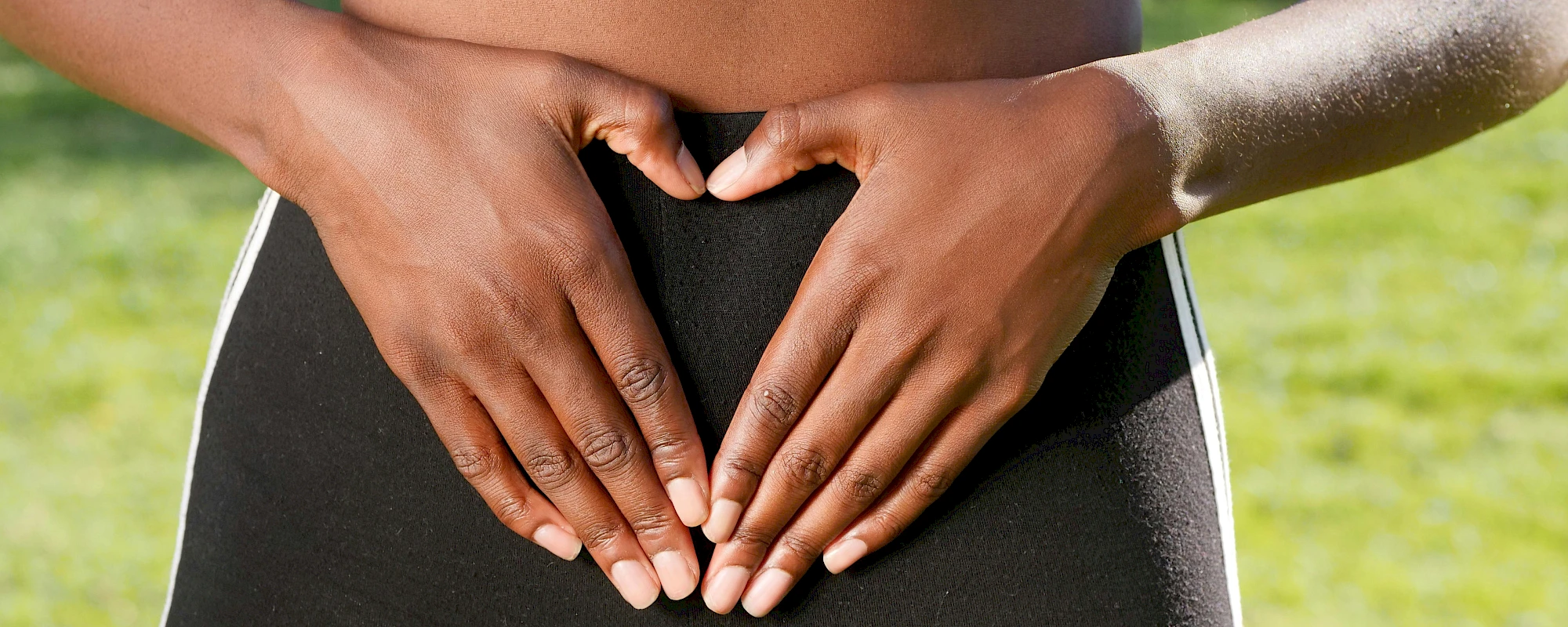
Genitourinary Syndrome of Menopause (GSM): Despite affecting a large number of women, many wait years before seeking help. Understanding GSM is the first step toward managing it effectively and improving quality of life.
What is GSM?
Genitourinary Syndrome of Menopause (GSM) is a term used to describe a collection of symptoms affecting the vaginal, urinary, and sexual health of individuals. It can happen to a woman in perimenopause, menopause, postmenopause, or resulting from any medically induced hormonal changes such as medication or surgery. GSM is not just a normal inconvenience but rather, it’s a medical condition that can significantly impact daily comfort, relationships, and overall well-being.
Why Does GSM Happen?
The root cause of GSM is a decline in estrogen levels. When estrogen levels drop, these tissues become thinner, drier, and weaker. These changes can affect the perineal area causing the following symptoms.
Common Symptoms of GSM
GSM symptoms can vary, but they typically fall into three categories:
- Vaginal symptoms: pelvic pain, dryness, itching, burning, and irritation
- Sexual symptoms: pain during intercourse, reduced sex drive or sensation, decreased lubrication, and discomfort
- Urinary symptoms: urgency, frequency, burning with urination, and recurrent urinary tract infections (UTIs)
Impact on Daily Life
Beyond physical discomfort, GSM can have a profound emotional impact. Pain during intimacy may lead to avoidance of sexual activity, which can strain relationships. Many individuals feel embarrassed discussing these symptoms with their healthcare providers, thereby delaying treatment. It’s important to recognize that GSM is common and treatable, and no one has to simply live with it.
When to Seek Help
If you experience persistent dryness, discomfort, pain during intercourse, or recurrent UTIs, it’s worth speaking to a healthcare provider. These are not issues you have to tolerate. Early treatment can significantly improve symptoms and prevent progression. When ready, please book an appointment with any of our physiotherapists especializing in pelvic floor health. To learn more, click HERE.
